


The financial world is changing rapidly. The rise of open banking is one of the biggest changes recently. But what is it? How has it changed your daily life? Open banking allows third-party financial service providers to securely access your banking details if you permit them. This new concept changes the way we handle money, pay bills, and access financial products. Open Banking removes the barriers that exist in the regular banking world. It makes banking easier, more open, and more personal. Open banking could be the key to a better interest rate, a budgeting tool that suits you, or faster payment options. This article explains how it works, what it can do for you, and why you should care about this financial revolution.
How Open Banking Works:
API, or Private Application Programming Interface, allows apps and different banks to securely share data. This is how open banking works. If you permit us, your bank can share your transaction history, account details, and spending habits with authorized third parties. They can then offer tailored services, such as budgeting apps, investment tools, or loan comparison tools. For example, a money management app can provide insights into how you spend your money and suggest ways to save it. You retain full control: you decide who can see your data and for how long. Banks and fintechs are required by law to adhere to strict privacy and security rules, so your information is safe.
Best Things about Open Banking:
One of the biggest benefits of open banking is that it provides you with access to better banking products and services. Not only can you compare loans, credit cards, and savings accounts from your bank, but you can also directly compare loans, credit cards, and savings accounts from other companies. With Open Banking’s Budget app, you can have a complete overview of your finances in one place. The app makes it easy to track your spending and set savings goals. Payments are also easier and more secure with services such as direct bank-to-bank transfers, which eliminate the need to use cards or cash. Small businesses can also manage their finances and cash flow more easily. Ultimately, open banking gives you more control over your money so you can make smarter, more efficient choices.
Security and Privacy Concerns:
Open banking has many benefits, but some people worry about the security of their data. Rest assured, we have built the system with robust security in mind. Banks and third-party service providers must adhere to strict regulations, such as the European General Data Protection Regulation (GDPR) or similar laws in other parts of the world. You never give your login details directly to a third party; access is secure via the API. If you no longer want the service to have access to your data, you can revoke permission to do so at any time. Fraud monitoring and security technologies can better protect your data. As long as you only use official apps and are careful, open banking is a safe way to better manage your money.


What Open Banking Means for the Financial Sector:
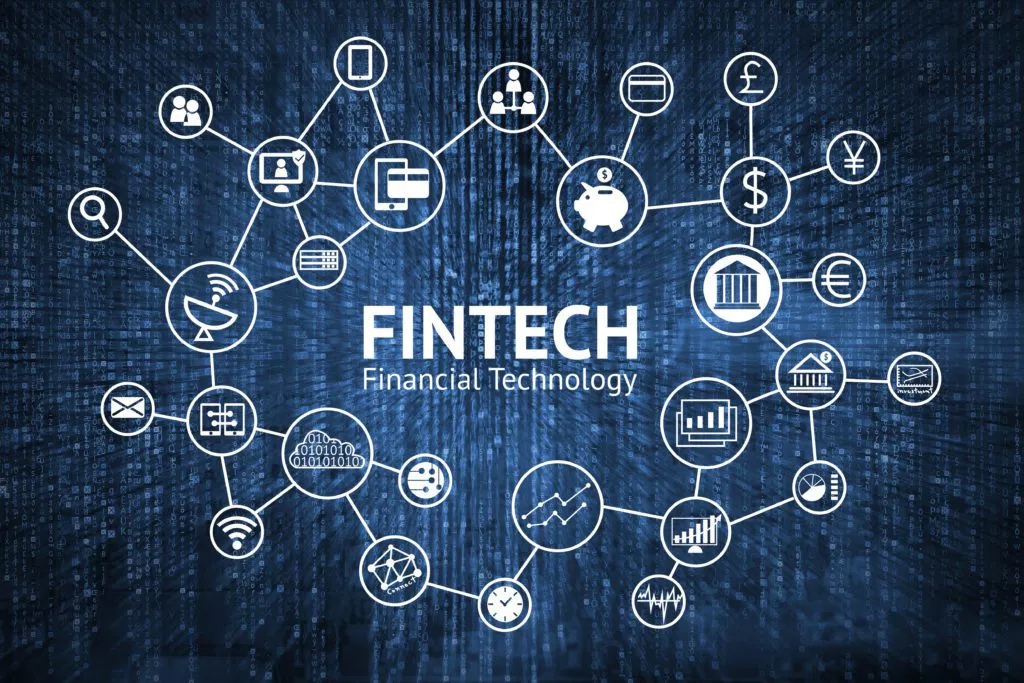
Thanks to open banking, traditional banks are no longer the only ones who can operate in the financial world. Both small fintechs and big tech companies are now offering new services that are comparable to or better than traditional banking products. Apps can now provide personalized investment advice, automated savings tools, and even ‘buy now, pay later’ options that don’t require a credit card. This change has meant that Standard Bank has had to improve its online services to improve the overall customer experience. Competition has also increased as costs have fallen and interest rates for customers have risen, thanks to open banking. With the financial world changing so quickly, you now have more options than ever.
Practical Applications of Open Banking:
You may be using open banking without even realizing it. Well-known apps such as Mint, Yolt, and Revolut all use this technology to collect your financial data and provide you with insights. Mortgage lenders are using open banking to quickly check people’s income and purchasing habits, accelerating the approval process. Small business accounting software can sync with bank transactions in real time, making bookkeeping much easier. Getting a good credit rating has become easier, as lenders can now assess risk based on your current financial behavior and credit history. Open banking is making financial services more efficient and user-friendly, as these real-world examples show.
Where to Start with Open Banking:
If you’re ready to use open banking, the first thing you need to do is research which trusted banking apps use it. Seek out a company that has received approval from your country’s government. Many banks now have built-in Open Banking functionality on their mobile apps, making it easy to connect to other companies’ services. Please review the terms and conditions before granting access to ensure you understand how your data will be utilized. Start with a budgeting tool, then try other services. If used correctly, open banking can make your financial life easier and better.
Conclusion:
Open banking is more than just a buzzword in the tech world; it’s a giant change in the way we use financial services. It allows banks and third-party providers to share data securely, giving customers better deals, smarter tools, and more convenience. People are concerned about their privacy, but the system is safe and effective thanks to strict rules and safeguards. As open banking continues to evolve, we will likely continue to use open banking, just as we used to use online banking many years ago. Open Banking can benefit everyone. You can save money, simplify payments, or get a better financial offer. Now is the time to embrace an open future for business.
FAQs:
1. Is it safe to use Open Banking?
Yes, open banking uses secure APIs and strict rules, so your data is safe. You decide which companies can see your messages, and you can revoke their access at any time.
2. Do I have to use Open Banking?
No, you don’t have to. However, if you choose to, you will receive tailored financial tools and services.
3. Can Canopen banking help me get a loan?
Yes, lenders who use Open Banking will have better insight into your financial situation. This means faster decisions and better interest rates.
4. Which countries support open banking?
Many countries, including the UK, EU countries, Australia, and parts of North America, use open banking systems.
5. What happens if I block third-party apps from using my device?
The app will no longer have access to your banking details, but it will still be able to store any information it has collected in the past if you agree to the rules.

