


Financial technology (FinTech) is a fast-growing sector that combines finance and technology to make financial services more comprehensive and automated. Encompassing everything from cryptocurrencies to mobile banking apps, Fintech has changed the way people and businesses interact with money. In this guide, we explain what FinTech is, its context, key technologies, strengths and weaknesses, opportunities and threats, and expected future developments. It provides comprehensive information on this rapidly changing field for those new to the field.
What does FinTech mean?
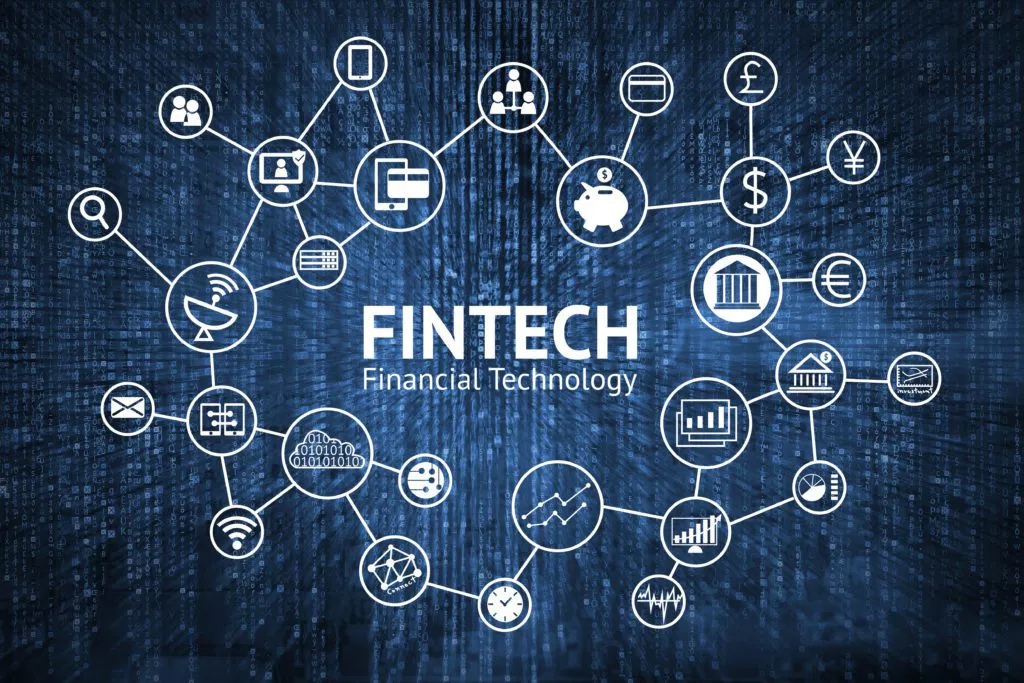
When technology is added to financial services to better utilize and deliver them, it is called FinTech. It can be used in many areas, such as digital payments, peer-to-peer lending, blockchain, robo-advisors, and many more. The main goal of FinTech is to help individuals and businesses make financial transactions faster, safer, and easier. Fintech companies use software, algorithms, and digital platforms to challenge the standard banking system and invent new ways to meet people’s modern financial needs.
History and Development of Fintech
Fintech may seem like a new concept, but its roots go back to the 1950s, when credit cards emerged and replaced cash payments. Electronic stock exchanges emerged in the 1970s. ATMs appeared in the 1960s. But the real fintech boom began with the advent of the internet and e-commerce in the late 1990s and early 2000s. PayPal was founded in 1998 and changed the way people pay online. The 2008 financial crisis has seen people look for alternative ways to manage their money. Fintech, now powered by artificial intelligence, blockchain, and big data, is changing the future of banking around the world.
Key Technologies Playing a Role in Financial Technology
A number of cutting-edge technologies are driving advances in fintech. Artificial intelligence and machine learning can detect fraud, assess your creditworthiness, and provide you with personalized financial assistance. Cryptocurrencies like Bitcoin are based on blockchain technology, which ensures secure and transparent transactions. Big data analytics can help banks understand how risky something is and predict where the market will go. The Internet of Things (IoT) is connecting different devices and making payments easy. Cloud computing is helping financial technology companies grow rapidly. These tools work together to make financial services smarter, faster, and more efficient.


Key Applications of Financial Technology
Many sectors within the banking industry have been transformed by FinTech. User-friendly alternatives to standard banks include digital banking apps like Revolut and Chime. Payment apps like Venmo and Square make it easy and instant to send money. Peer-to-peer lending sites like LendingClub connect borrowers with private lenders instead of banks. InsurTech is improving the insurance industry by using data to write policies, while robo-advisors like Betterment are making investment management easier. Cryptocurrency and decentralized finance (DeFi) are decentralized alternatives to traditional banks and help fintech reach more people.
The Pros and Cons of Fintech
Fintech is superior to traditional financial processes in many ways. It allows people to do business anytime and anywhere via mobile applications, making things a lot easier. Fintech companies can offer cheaper services than banks because they have lower operating costs. Greater financial inclusion means that people without bank accounts have access to credit and payment systems. When transactions are faster and more secure thanks to encryption and biometrics, the chances of fraud are reduced. Fintech also stimulates new ideas by raising the bar for competitors, leading to better goods and services for customers.
Challenges and Risks in FinTech
Fintech has its advantages, but it also has its challenges. Because most of its activities take place online, cybersecurity risks such as hacking and data breaches are still real. Each region has its own regulations on how to comply with these rules. This makes it more difficult for global fintech companies. Traditional financial institutions can resist change, which can lead to competition and legal issues. Consumer trust is another issue. People may be reluctant to adopt new technologies because they are afraid they will not work properly or will be hacked. Addressing these issues is essential for the long-term development of the fintech sector.
Rules and Regulations for Fintech
Governments and regulators around the world are working to establish rules that fintech companies must adhere to. In Europe, laws such as the General Data Protection Regulation (GDPR) protect data, and anti-money laundering (AML) laws prevent people from doing illegal things. In some countries, fintech startups can try out new ideas in ‘sandbox’ environments that are supervised by regulators. Regulators need to strike a balance between encouraging new ideas and ensuring people’s safety to keep the financial system stable and secure.
The Future of FinTech
There are no signs that the fintech sector is slowing down. Some of the emerging trends include the rise of central bank digital currencies (CBDCs), the widespread use of AI-based financial services, and the growth of DeFi platforms. Embedded finance is becoming increasingly popular. This involves integrating financial services into applications that are not normally used to make money, such as retail stores or social media sites. Green Fintech also focuses on long-term investments and financial products that are good for the environment. As technology advances, FinTech will continue to change the financial world, making services more open, efficient, and creative.
Conclusion
Fintech has fundamentally changed the way financial services are provided and consumed. Because it uses technology, it offers options that are faster, cheaper, and more accessible than traditional banks. Fintech still has its share of challenges, such as hacking and regulation, but the benefits far outweigh the drawbacks. It will become even more important to the global banking sector as the industry changes, new ideas emerge, and capital becomes more accessible to more people. Fintech is here to stay and will change the way we handle money through digital payments, blockchain, and AI advisors.
FAQs
1. What does FinTech stand for?
FinTech stands for “Financial Technology.” It’s about using technology to make financial services better and more automated.
2. How does FinTech work?
Fintech uses software, algorithms, and digital platforms to make it easier for people to borrow money, invest, and perform other financial activities without having to rely on traditional banks.
3. Can FinTech protect people?
Fintech uses advanced security methods such as biometric authentication and encryption, but there are still risks such as cyber threats. You can mitigate these risks by choosing a reputable company.
4. How does FinTech work in practice?
Examples include mobile payment apps like PayPal and Venmo, digital banks like Revolut and Chime, cryptocurrencies like Bitcoin, and robo-advisors like Betterment.
5. Will FinTech replace banks?
Fintech has changed the way traditional banks operate, but it is more likely to work with banks than replace them.

