


Having too much debt can cause stress, keep you up at night, limit your choices, and make you worry all the time. Many people find themselves in debt because of credit card debt, student loans, medical bills, or sudden emergencies. It’s important to remember that debt doesn’t change you. The most important thing is that you’re willing to tackle it and take steps toward financial freedom. The first and bravest thing you can do to get out of debt and regain control of your finances is to admit that you have a problem.
Knowing How Much You Owe
Now that you know how much you owe and to whom, you can make a plan to get out of debt. Make a list of all your bills, including the amount owed, the interest, and the minimum amount you need to pay each month. This may seem like a lot of information at first, but it’s important to have a clear picture of all your debts so that you can make a sensible plan. This goes for all types of debt: medical bills, credit card debt, student loans, and car loans. When you write everything down, you have a solid foundation from which to chart your own path forward.
Create a Monthly Budget that you can Afford
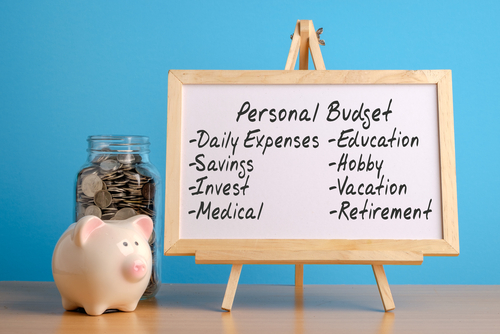
One of the best ways to deal with debt is to create a budget. Without it, you can’t go anywhere. Creating a weekly budget will help you determine how you spend your money on things like housing, food, transportation, and debt payments. The goal is to spend less than you earn so that you have extra money to pay off your debt. Start by tracking what you buy for a few weeks so that you know where your money is going. Then, make changes and stop spending money that you don’t need. Every dollar you save can help you pay off your debt faster.
Pay off Your most Expensive Debt First
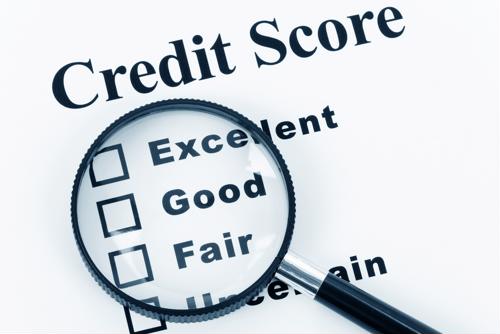
Some debts have higher interest rates than others, and the balances can quickly add up if you don’t pay them off. For example, a high-interest credit card can cost you more in the long run if you only pay the minimum amount each month. Getting rid of your most expensive bills first can save you a lot of money in the long run. Getting rid of high-interest debt will make you feel better and more energized. To avoid fees or a negative impact on your credit score, remember to make minimum payments on your other bills. Don’t change your bills, but increase them when you have extra money.

Find Ways to Make More Money
Cutting costs is important, but making more money will really help you pay off your debt. You can look for a side hustle, part-time job, or freelance work that fits your skills and schedule. Even a small amount of extra income can make a big difference if you use it directly to pay off your debt. You can also sell items you no longer use around the house or earn some extra money using your skills, such as teaching, pet sitting, or doing crafts. You can reach your financial goals faster if you use the extra money you make to pay off debt instead of spending it.
No More Debt, No Matter What
One of the most important ways to get out of debt is to stop accumulating debt. If you don’t plug a leak, it’s like pouring water into a bucket with a hole in the bottom. Don’t use credit cards, don’t take out new loans, and don’t borrow money to pay for major purchases unless it’s absolutely necessary. For everyday purchases, use cash or a debit card. Resist the urge to buy things you don’t need. If you want to stay debt-free after you’re out of debt, it’s important to develop a habit: learn to live within your means. Follow the rules today, and you’ll be free tomorrow.
Always have an Emergency Fund
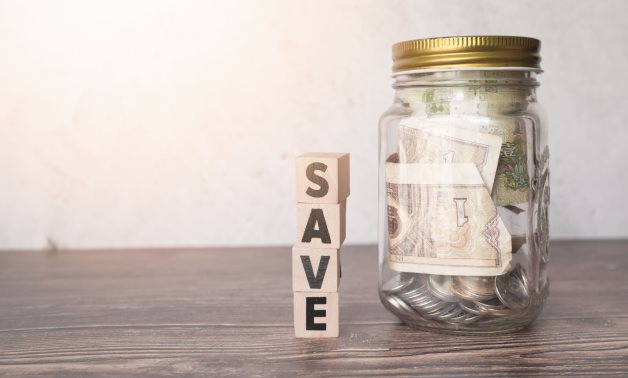
Unexpected expenses can hold you back if you’re not prepared. That’s why it’s a good idea to build a small reserve fund while you’re paying off your debt. Even if you only have a few hundred dollars set aside for emergencies, you won’t be able to use your credit cards if problems arise. Start by setting a savings goal of $500 to $1,000 in various accounts. This little cushion will make you feel secure and it will also ensure that your progress is safe. Once you are debt-free, you can build an emergency fund that can cover three to six months of expenses.
Making Debt Freedom a Way of Life
The journey doesn’t end when you pay your bills; it just begins. To get out of debt, you need to make a commitment and develop good financial habits. Keep budgeting, saving money, and spending wisely. Ditch the old habits that got you into debt and work toward a future of financial freedom, inner peace, and security. Learn from your mistakes and be inspired to help others who are struggling. Getting out of debt isn’t just about money; it’s about a lifestyle that gives you more options, less stress, and more choices.
Conclusion
Getting out of debt takes time, hard work, and determination, but with the right attitude and a plan, it’s possible. Getting out of debt requires understanding your financial situation, making purposeful changes, and sticking to your goals. There are many more benefits than just money. You can find inner peace, the freedom to dream, and the opportunity to improve your future. Every small step you take today can help you live the debt-free life you deserve.
FAQs
1. How long does it take to pay off debt?
How quickly you pay off your debt and how much you owe determines how long it takes to pay it off. With a well-thought-out plan, many people can get out of debt within one to five years.
2. Should I pay off the smallest debt first or the one with the highest interest?
This can work two ways. You will save more money if you pay off the debt with the highest interest rate first. But if you pay off the lowest amount first, you can make a quick profit and stay motivated.
3. Can I use the loan to pay other bills?
A debt settlement loan can be helpful if it lowers your interest rate and makes payments easier. But you have to be careful that it doesn’t put you further into debt.
4. What if I can’t pay the minimum amount?
If you are having trouble making your minimum payments, contact your creditors immediately. They may have programs to help those in need, or ways to provide short-term help.
5. Can I still enjoy life if I am debt-free?
Yes, that is for honesty. Set aside some money for fun things and small prizes, but don’t lose sight of your goal. A simpler life now can lead to a happier and more secure future.

