

It can be tough to save money each month when you have taxes to pay, groceries to buy, commutes to work to pay, and other unexpected expenses to deal with. However, if you’re smart and plan ahead, you can create room in your budget for savings without making drastic lifestyle changes. It’s important to develop habits that help you stop spending money you don’t need and use the extra money to achieve your financial goals. If you look for ways to save money every day, you can make real progress over time.
Start by Understanding Your Spending
It’s important to understand this before you start saving: where your money is going. Write down all of your expenses for a month. Write down everything you buy, from your morning coffee to your rent or payments. If you pay attention to how you spend your money, you may find areas where you can save money. Many people are shocked by the amount they spend on takeout, services, and impulse purchases. Realizing this is the first step to finding smart ways to save money each month.
Create a Monthly Budget
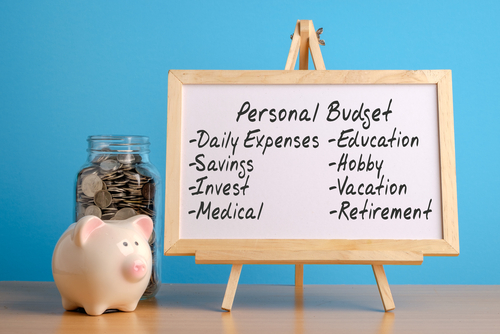
The best way to save money is to create a budget and stick to it. Knowing how much you earn and spend will help you decide what to spend your money on. Set aside a certain amount of money to meet your wants and needs. Set limits on how much you can spend on different things and change them as needed. Make sure your savings are a fixed monthly “expense” so you see it as a bill that needs to be paid.
Cut Down on Unnecessary Subscriptions
Many people sign up for a service and then forget about it. Over time, many fees can add up, such as meal kits, streaming services, online storage, and even apps. Please take a moment to review your bank account and consider canceling any fees for services you do not regularly use or need. Canceling a few small contracts can save you a lot of money each month. This will give you more money to reach your goals.



How to Save Money at the Grocery Store
Most households spend a lot of money on groceries each month, but it’s also one of the best ways to save money. Consider creating a grocery list and planning your meals in advance to avoid purchasing unnecessary items. Choose only store brands, look for sales, and use coupons when possible. By cooking at home more often and buying what you use often in bulk, you can save a lot on food without sacrificing nutritional value or variety.
Be Mindful of Utility Usage
A few simple habits can help you save money on your bills each month. When you leave the room, turn off the lights and unplug electrical appliances. Also, use light bulbs and appliances that use less energy. You can save money by turning down the thermostat a few degrees and being more conscious of your water usage. These changes not only save money, they also heal the planet.
Don’t Just Buy Something on Impulse
Purchasing unnecessary items can be a significant challenge when trying to save money. Nowadays, online shopping is very easy and you can easily buy things without having to think about it too much. Follow the 24-hour rule: if you see something you want, don’t buy it for 24 hours. This break gives you time to think about whether the item is really important. You’ll find that many purchases lose their appeal after a short moment of thinking.
Take Advantage of Rewards and Cashback Programs
Many credit cards and apps offer you the opportunity to earn cash back or collect points on everyday purchases. If you’re going to spend money anyway, it’s wise to use a card or program that gives you rewards. Don’t spend more than you can afford, and don’t leave money that accrues interest. If used properly, rewards programs can help you save money and get cash back on the items you want to buy.
Choose a Simpler Life
Living frugally is good for your finances and your mind. Consider decluttering your home by selling items you no longer need. You get the chance to learn how much stuff you don’t need, while making some extra money at the same time. Don’t feel like you have to buy new stuff all the time. Instead, focus on relationships, experiences, and what really matters. When you think like a minimalist, you’re more likely to spend less and save more regularly.
Plan for Big Expenses in Advance
Unexpected expenses can throw your budget off track and make it harder to save money. Plan ahead for things like annual bills, car repairs, and holiday shopping so you don’t get caught out. Break big expenses into small, achievable savings goals each month and put the money in a special savings account. This approach can help keep your monthly budget on track and reduce your financial stress.
Prepare for the Worst
Having an emergency fund makes it easier and more important to save money each month. It doesn’t matter how much you save in the beginning; it will add up over time. Saving this extra money means you won’t have to use a credit card or loan to pay for unexpected expenses. Try to save at least $500 at first. Then, slowly save until you have enough money to cover three to six months of living expenses.
Conclusion
You don’t have to make big sacrifices or change your lifestyle to save money each month. You need to think carefully about the choices you make, know where your money is going, and find ways to save money yourself. Small changes can have big long-term effects. Think of things like lowering your grocery bill, cutting out services you don’t use, or cooking at home more often. Consistency and vigilance are key. Developing smart savings habits can help you reach your financial goals, reduce stress, and gain more control over your future.
FAQs
1. How much should I save each month?
Many people say that you should save at least 20% of your salary. If that doesn’t work, start small and let your savings grow over time. The most important thing is to always keep saving.
2. Should you save money or pay off debt?
Both are very important. Take the time to pay off your high-interest debt first and put some money aside for later. Once you are debt-free, you can save more money each month.
3. How can I track my money?
You can use a notebook, app, or spreadsheet to create a budget. Choose a method that you want to follow and check it regularly to make sure it is working correctly.
4. Can I save money and still have fun?
Yes. Make sure that you spend as little money as possible on fun things and treats. The goal is to enjoy life and still manage money.

