


In your 20s, retirement may seem far away and saving may seem unnecessary. But compound interest makes it a great time to start saving for retirement. Starting early can help you grow your bankroll faster. In your 20s, you need to budget, manage expenses, and understand where your money is going. By saving early, you’ll be preparing for your retirement accounts, such as 401(k) accounts and IRAs. If your employer matches your contributions, contribute enough to receive the free money. It’s important to get started, even if you can only contribute a small amount. Time is your friend, and saving even a little bit of time can help secure your future.
Increase your Contributions Around Age 30
When you’re 30, your financial situation can change. You may have bought a home, started a family, and settled into a stable career. These changes may make it harder to save, but they can also give you the opportunity to reevaluate your priorities and save more for retirement. You need to increase your retirement contributions now. To maximize your tax benefits, open a Roth IRA or deposit money into your 401(k). Automatically deduct payroll deductions to simplify and standardize savings. Stocks, bonds, and real estate are also a source of wealth for many 30-year-olds. Diversifying your retirement savings can help you grow your wealth. Making a substantial contribution in your 30s will give you a solid start to your retirement.
Maximizing Your Retirement Savings at 40: Catching Up
As you approach retirement age in your 40s, take stock of your financial situation. If you haven’t saved enough money, don’t worry. You need to catch up and make the most of your savings over the next 20 years. Many pension plans allow “catch-up” contributions after age 50, but you should be contributing more after age 40. Start maximizing your 401(k) or IRA contributions now. Pay off high-interest debt to save more. Evaluate your lifestyle and see where you can cut back to save more money for retirement. If you’re in your 40s, it’s best to consult a financial advisor to help you align your investment strategy with your retirement goals.
Compound Interest and Retirement Savings
Compound interest can help your retirement savings grow. Your savings grow faster when the interest you earn on them earns interest. If you start saving early, say in your 20s, compound interest has more time to work. By the time you’re in your 30s or 40s, your savings will have grown significantly. If you delay saving for retirement, you’ll miss out on compounding interest, which means you’ll have to save more later to reach the same goal. Even if the amount is small, it’s important to start now.


Choose the Retirement Account That’s Right for You
When choosing a retirement account, it’s important to understand what retirement accounts are. Because their employer offers a 401(k) retirement plan with a company contribution, many people start with that plan. Other options include regular individual retirement accounts (IRAs) and Roth IRAs, each with their own special benefits. Deducting your contributions from your taxes reduces your taxable income. With a Roth IRA, you can save money on a net basis and withdraw it tax-free in retirement. The best solution depends on your current tax situation and your retirement tax projections. If your employer matches your 401(k) retirement fund, you’ll contribute enough to take advantage of this free money.
Understand How Lifestyle and Spending
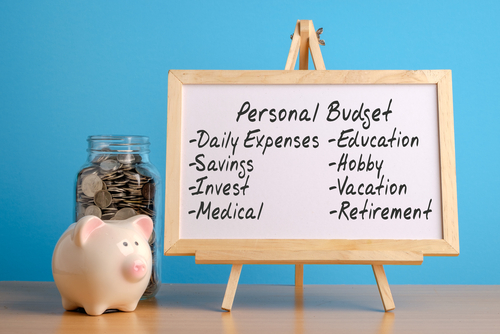
Your retirement savings depend on your lifestyle and spending habits. Spending money today reduces your future savings. In your 20s and 30s, it’s often tempting to overspend on cars, clothes, and vacations. If you’re prioritizing retirement savings, you may need to cut back on your spending and avoid debt. Even if you’re very wealthy in your 40s, it’s still wise to live within your means. The balance between enjoying life now and investing in the future is crucial. Create a budget for both short-term pleasure and long-term security.
The Value of Financial Planning and Review
Retirement planning requires constant attention and evaluation. To achieve your goals, it is essential to regularly review your investments and savings. As you enter your 20s, 30s, and 40s, your financial situation will change. Therefore, adjust your strategy accordingly. As you get older, your risk tolerance may change. You may also need to rebalance your portfolio to achieve your retirement goals. A financial planner can help you stay on track and make adjustments.
The Benefits of Starting Early and Being Consistent
It is crucial to start saving for retirement in your 20s, 30s, and 40s, and to do so consistently. Start small and make it a habit, even if you can’t afford to give much. Starting early gives your bankroll more time to grow. If you are older and haven’t saved enough money, don’t give up. As long as you stay focused and save diligently, it is never too late to start. Saving early and consistently prepares you for your future.
Conclusion
Saving for retirement is one of the most important financial goals. If you start early, you can set yourself up for a bright future. You can start planning for financial independence during retirement in your 20s, 30s, or 40s. By understanding compound interest, choosing the right retirement funds, and being disciplined in saving, you can retire comfortably. Remember that continued effort will pay off in the long run. Every small step will bring you closer to retirement.
FAQs
1. How much should I save for retirement in my 20s?
Begin saving 15% of your gross income for retirement in your 20s. Start with a small amount and increase this amount as your income increases.
2. I am in my 30s, should I prioritize retirement savings over other goals?
While paying off debt and buying a home are important, your retirement fund should be your priority. Try to find a balance between short-term and long-term financial goals.
3. I’m in my 40s, is it too late to start saving for retirement?
You can start saving for retirement at any time. It’s best to start early with compound interest, but you can start a concentrated savings plan as early as age 40.
4. Which retirement account is right for me?
The best retirement account depends on your taxes and goals. A financial advisor can help you make that choice, but a matching 401(k) is a good place to start, followed by a regular IRA or Roth IRA.
5. What if I don’t have enough retirement savings?
If you’re not saving enough, increase your contributions, cut unnecessary expenses, and reevaluate your investment strategy. You can start at any time, but the sooner the better.

