

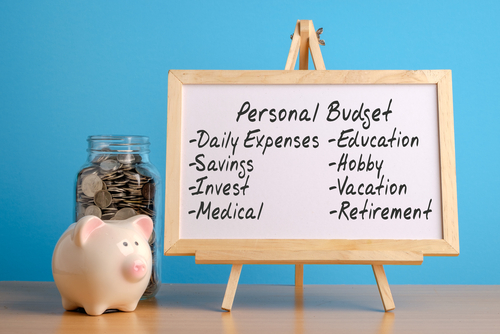
Understanding why you need a budget can help you create a personal budget that actually works. Budgeting is more than just tracking your income and expenses. It’s a strategy for achieving your financial goals. Without a good budget, you risk overpaying, falling into financial traps, or missing out on savings opportunities. Whether you’re trying to pay off debt, save money for a vacation, or build an emergency fund, a good budget can help you manage your money, reduce stress, and achieve your goals.
Understand Your Income
Creating a workable budget starts with an accurate understanding of your income. Your income includes your salary, any freelance work, side jobs, investment returns, or another regular source of income. Because this is the number you’ll actually be working with, it’s important to consider your net income (that is, your income after taxes and deductions). If your income changes (such as seasonal work or freelance work), average it over the past few months. This will give you a consistent number to base your plan on.
Track Your Spending
To create a realistic budget, you need to understand your current cash flow. Track every expense, no matter how small, for a month or two. This could be an occasional trip to the coffee shop, but also rent or mortgage, utilities, groceries, transportation, subscriptions, entertainment, dining out, and more. A journal, spreadsheet, or even a budgeting tool can be helpful. The goal is to get a clear picture of your spending patterns and identify where you might be spending more than you need to.
Categorize your Spending
Once you’ve tracked your expenses, categorize them. These can be discretionary expenses (such as shopping, entertainment, and hobbies), fixed expenses (such as rent, insurance, and car payments), or variable expenses (such as food, gas, and eating out). Categorizing helps you know which items are necessary and which items you can eliminate, depending on the situation. It also allows you to allocate funds more strategically to achieve your goals.


Set Reasonable Financial Goals
A personal budget is also a tool to help you achieve your future goals; it’s not just about managing your money now. You need a clear and achievable goal, whether you want to save money for a vacation, pay off your credit card debt, build an emergency fund, or plan for retirement. Set precise, quantifiable short- and long-term goals. Instead of saying “save more money,” set a goal like “save $200 a month in an emergency fund.” These goals motivate you to stay on track and will guide your budgeting decisions.
Create a Spending Plan
Once you have a clear picture of your income, expenses, and goals, it’s time to develop a spending strategy. This is the core of your budget. Start with fixed and necessary expenses and distribute your money across all categories. Next comes savings, and finally discretionary spending. Every dollar should have a purpose. Many people use zero budgeting, where income minus expenses equals zero. This doesn’t mean you’re going to spend it all; it means you’ve allocated all of your money to a purpose, including saving and investing.
Make Changes as Needed
Your first draft of your budget may not be perfect, and that’s okay. Budgeting is an ongoing activity. Review your budget monthly or weekly to see if you’re sticking to it. If one aspect is going over budget, change another. Life is full of surprises. Unforeseen expenses will always arise. So make sure your budget is flexible and can accommodate them. It’s important to be honest about your spending and stay consistent. Don’t get discouraged if it takes a few months to fix the problem.
Use Tools to Stay Organized
There are many tools and apps that can help you stay on top of your money. Find a strategy that works for you, whether you prefer a printable budget planner, a mobile app like Mint or YNAB, or a spreadsheet. The more you stick to your budget, the easier it will be to monitor and evaluate. Many tools also let you set savings goals, reminders, notifications, and alerts to help you stay on top of your spending.
Build an Emergency Fund
Being prepared for the unknown is a fundamental part of any budget. Car repairs, medical expenses, or unexpected job loss can throw your financial strategy off track if you’re not prepared. An emergency fund can help. Start by setting aside a small amount each month until you have saved at least $500 to $1,000. Gradually build up a savings account that can cover your living expenses for three to six months. Add this savings goal to your budget to ensure continued financial security.
Set Up Automatic Savings
Automating your savings makes it a lot easier. Schedule an automatic transfer from your checking account to your savings account each payday. Think of savings as a fixed expense that needs to be paid. Automation can help you stay consistent and reduce the need to spend, whether it’s emergency savings, retirement funds, or future purchases. You can also transfer a portion of your paycheck directly to your savings account.
Remember to Be Kind to Yourself
Budgeting doesn’t mean you have to punish yourself. Your budget also allows you to set aside some money for relaxation and fun. When you reach a financial goal or successfully stick to a budget, reward yourself with something small that you enjoy. This will keep you inspired and encourage you to be proactive with your budgeting. The trick is to budget for these incentives and not let them interfere with your financial strategy.
Conclusion
The keys to creating a personal budget that really works are honesty with yourself, planning ahead, and adaptability. It’s not about cutting every penny; it’s about making sure your money supports and directs your values and goals. By understanding your income and expenses, setting reasonable goals, and regularly evaluating your progress, you can create a budget that helps you live better, save more, and worry less. The key ideas are to start small, persevere, and realize that budgeting is a skill that gets better with time and effort.
FAQs
1. What to do if your income is unstable?
If your income fluctuates from month to month, make a conservative estimate based on your lowest monthly income over the past year. Prioritize essential expenses and adjust discretionary spending accordingly.
2. What should my monthly savings goal be?
But if that’s not immediately possible, start with an amount you can give: $20, $50, or even $10. A general guideline is to save at least 20% of your income. In the beginning, habits are more important than quantity.
3. What budgeting method is best?
There’s no one-size-fits-all approach. Find what works best for your lifestyle and goals by trying out familiar methods like the 50/30/20 rule, the envelope method, or zero-budgeting.
4. Can I adjust my budget?
Sure. A good budget is flexible and can change as your life and financial goals change. Feel free to change it.
5. Should I use a budgeting tool?
Not really. A spreadsheet or notebook can serve the same purpose, but an app can make tracking easier. The ideal method is one that you will actually use often.

