

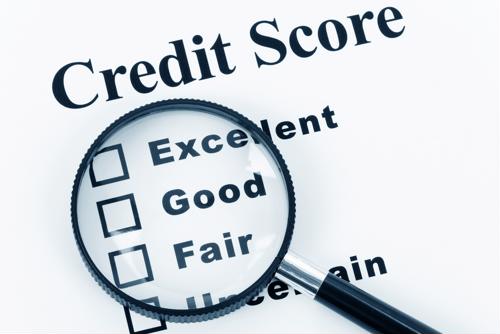
The three-digit number that represents your credit score reflects your creditworthiness. Your credit history, including your payments, the amount of debt you owe, and how long you’ve had credit, can help with this. Lenders, renters, insurance companies, and even some businesses use this number to assess your financial soundness. FICO scores range from 300 to 850 and are the most commonly used credit ratings. The higher the number, the better your creditworthiness. Improving this score can lead to better financial opportunities, lower interest rates, and better loan terms.
Check Your Credit Report for Errors
A quick way to improve your credit score is to request a copy of your credit report. Each year, the three major credit bureaus — Equifax, Experian, and TransUnion — offer free reports. Checking your credit report can help you spot any errors or discrepancies that could negatively impact your credit score. These can include incorrect payment status, accounts that don’t belong to you, or outdated information. By addressing and correcting these mistakes, you can significantly improve your score in a relatively short period of time.
Always Pay Your Bills on Time
Your payment history is one of the most important factors that affect your credit score. Even one late or missed payment can negatively impact your credit score. Paying all of your bills on time will quickly improve your credit score. This includes not only phone bills, utilities, and rent, but also loans and credit cards. Setting up reminders or automatic payments will ensure that you don’t miss any due dates. Your score will gradually improve as you make more and more payments on time. This shows lenders that you are trustworthy and responsible with your finances.
Dramatically Reduce your Credit Card Balance
Another important factor in your credit score is credit utilization: the ratio of your current credit utilization to your total available credit. Even if you make your payments on time, using too much of your available credit can negatively impact your credit score. While less is better, a good guideline is to keep your utilization around 30%. Paying off your credit card debt will improve your credit score quickly. Focus on reducing high-interest payments first, while keeping your other accounts in check.


Avoid New Credit Applications for the Time Being
Although applying for a new credit card or loan may seem like it will increase your available credit, it can actually temporarily lower your credit score. Each credit application triggers a thorough check on your credit report, which can significantly lower your credit score. Applying for multiple loans in a row can amplify this effect. If you want to improve your credit score quickly, don’t apply for new credit unless absolutely necessary. Let your positive payment history grow without being burdened by additional inquiries and the obsolescence of existing accounts.
Keep Active, Open Old Credit Accounts
Your credit score is also affected by the length of your credit history. Closing old accounts, especially those with bad reputations, can significantly lower your score. Keeping an old credit card shows that you have a long history of good credit, even if you no longer use the card. Additionally, it can improve your credit utilization ratio. If there is no annual fee on the account, consider using the account for small purchases and paying off the entire balance. This approach will help you maintain a good credit profile in the long run.
Use Multiple Types of Credit Wisely
The credit rating system also takes into account the number of credit accounts you have. This includes personal accounts, installment loans, credit cards, etc. With a diversified credit portfolio, you can safely manage multiple types of credit. But don’t create new types of accounts just for the sake of diversity. Make the most of what you have now. Especially with timely payments and low balances, managing multiple account types well can slowly improve your credit score.
Monitoring Your Progress and Staying Patient
Improving your credit score requires consistent effort. Check your credit score regularly using free services or your credit card provider’s tools. Seeing your scores improve can motivate you and help you spot potential problems early. Some adjustments may yield quick results, but keep in mind that others may take longer to produce lasting effects. Be patient and maintain good credit behavior every month. Ultimately, your score is a testament to your dedication and commitment to your financial health.
Conclusion
With the right actions and attitude, you can improve your credit score quickly. You can make significant progress by making payments on time, reducing debt, avoiding unnecessary credit inquiries, and checking your reports for errors. While changes may be noticeable within a few weeks, real and lasting progress takes patience and dedication. Consistent behavior and smart financial choices can not only help you improve your credit score, but can also open the door to a more favorable financial outlook in the future.
FAQs
1. When will I notice changes in my credit score?
By taking proactive steps, such as reducing your debt or correcting errors on your report, you can see changes in your credit score within 30 to 60 days.
2. Do I need professional services or can I repair my credit score myself?
You can indeed improve your credit score yourself by adopting good credit habits. Professional services are helpful, but they often perform work that you could have done yourself with the right knowledge.
3. Will checking my credit score affect my life?
No, checking your own credit score is considered a soft inquiry and will not affect your score. Your credit score is only affected by a thorough credit check (by a lender).
4. How can I improve my credit score quickly?
The fastest way to do this is often to reduce an excessive balance on your credit card, dispute inaccuracies on your reports, and become an authorized user of an account in good standing.
5. Should I pay off my debt in full or should I pay in installments?
It’s generally better for your credit score to pay off your debts in full, if possible. This is especially true for credit cards with a revolving credit limit. But making regular and on-time payments can also improve your score in the long run.

