

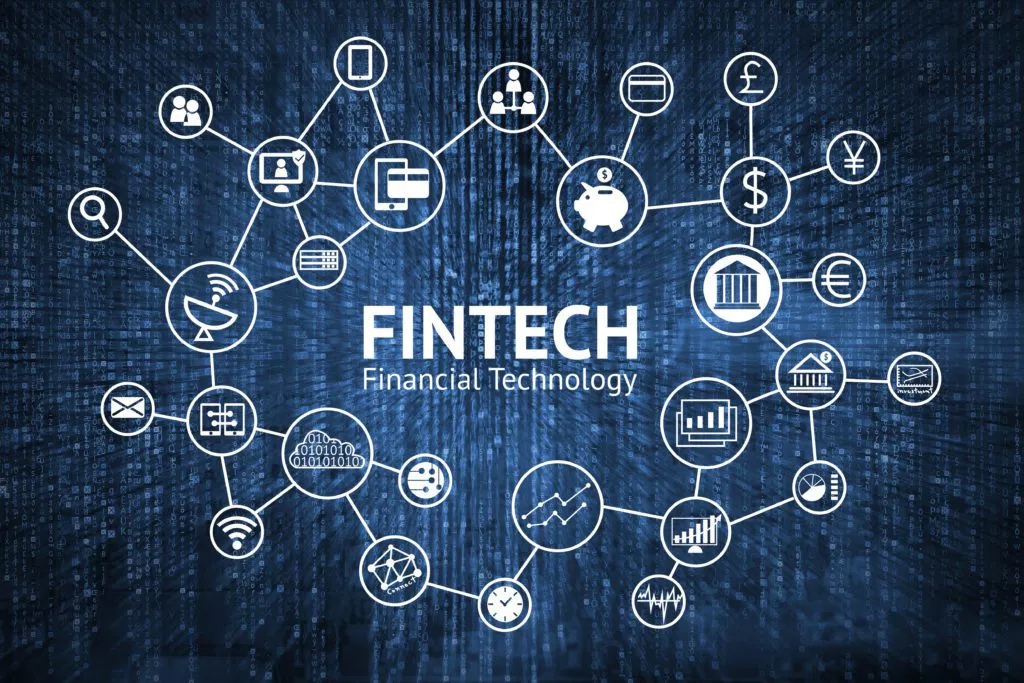
The financial landscape has changed dramatically in recent years. Fintech – the combination of finance and technology that is changing the way we manage our money – is at the heart of this evolution. Traditional banking technology is quickly becoming obsolete as more people opt for digital solutions. Mobile banking is at the forefront of this change, offering users unparalleled convenience and flexibility.
Imagine being able to make financial transactions from anywhere in the world with just a few taps on your phone. This is not just a far-fetched fantasy; creative fintech companies that prioritize user experience and security are already making this idea a reality. The popularity of mobile banking has challenged existing industry norms while opening up new opportunities for financial services.
Join us as we explore how fintech is changing mobile banking, its benefits, its security measures, how it will integrate with innovative technologies like AI and blockchain in the future, and the challenges these developments bring. Discover what makes modern banking not only easier, but also safer than ever!
Mobile Banking Growth
Mobile banking has become incredibly popular over the past decade. With the rapid rise of mobile phones and the internet, more and more people are starting to use electronic devices to manage their finances. In the past, it was necessary to go to a bank branch; those days are gone. Users can now monitor accounts, transfer money and pay bills anytime, anywhere. For those who have to balance a busy schedule, this sense of convenience can change everything. Fintech companies play a very important role in this change. The user-friendly app makes banking easy and accessible. The focus on seamless design significantly improves the user experience.



The impact of mobile technology on traditional banking processes is changing as it evolves. In an environment that is constantly changing, financial institutions must respond quickly to stay competitive. People like to manage their finances on the go. Mobile banking is more than just an option; it is an increasingly important requirement for modern consumers who are looking for efficiency in managing their money.
Realizing the Benefits of Mobile Banking through FinTech
Mobile banking powered by Fintech offers a variety of benefits that are changing the way we manage our finances. Accessibility is key. Users can perform transactions at any time and from any location, eliminating the need to physically visit the bank. This adaptability gives people more control over their financial activities. Fintech solutions also sometimes include enhanced functionality, such as tools for spending analysis and budgeting. These developments give people real-time insight into their spending and help them manage their finances wisely.
Another major benefit is cost-effectiveness. Many mobile banking services offer lower fees than traditional banks, which helps customers save more in the long run. In addition, the user experience is significantly improved by using simple design and efficient procedures. For the tech-savvy generation that wants information quickly, navigating these apps may seem easy. All these elements combine to create a smooth banking experience that suits the fast-paced, modern lifestyle.
Security Strategy for Financial Technology-Based Mobile Banking
In the world of fintech mobile banking, security is paramount. Digital transactions are becoming more frequent; therefore, protecting sensitive information is absolutely crucial. Encryption is one of the most important tools used. This method ensures that only authorized users have access to the encrypted data. It protects against fraudsters who try to steal financial and personal data.
Biometric authentication also offers greater security. Using fingerprint or facial recognition, the user’s identity can be confirmed before a transaction is approved. This makes illegal access quite difficult. Regular software updates are also very important. They fix bugs and strengthen the system’s protection against new threats. By protecting yourself against such risks, you improve the security of both customers and banks. In addition, users are advised to use strong passwords and enable two-factor authentication for their accounts. In today’s fast-paced, digital world, these simple actions can significantly reduce the chance of an account being compromised.
The Future of Mobile Banking
Artificial intelligence and blockchain technology are set to transform mobile banking in the future. These developments promise to improve the user experience like never before. AI streamlines customer service by providing chatbots that process queries 24/7. Personalized financial advice becomes more accessible, allowing people to make informed decisions based on their spending patterns.
Blockchain provides an extra layer of security by ensuring that transactions are secure. The decentralized structure protects your private information and reduces the risk of fraud. Smart contracts can automate processes, making transactions faster and easier. Together, these technologies create a seamless banking experience. Users could soon receive faster approvals for loan or credit applications. Their assets will also be better protected thanks to improved security features. If banks embrace these innovations, managing our money could become a natural and seamless experience. This would completely change the way we interact with money on a daily basis.
Concerns with FinTech-based Mobile Banking
While fintech has greatly improved mobile banking, it does not lack challenges. The digital divide is a major issue. Not everyone has equal access to technology and is equally dependent on an internet connection. This leaves certain groups out of these developments. Data privacy is another issue. As more and more personal information is put online, users are concerned about who has access to their financial data and how it is used. Major hacking incidents have heightened these concerns and made trust a major issue.
Compliance with regulations is also a challenge for fintech companies. Complex regulations often limit innovation rather than encouraging it. They can also be expensive and prohibitively expensive. Customer service remains a concern. While some users may need help resolving technical issues or learning new features, they may receive little support outside of regular banking hours. These factors create barriers that must be overcome if fintech solutions for mobile banking are to gain wider acceptance.
Conclusion
Mobile banking is changing rapidly. Fintech development is leading the way, and consumers are experiencing unparalleled accessibility and convenience. As technology advances, customers can expect more customized services. Personalization enhances the user experience by making banking natural and easy. Security remains paramount. Advanced encryption and biometric authentication build trust while protecting sensitive information.
Emerging technologies such as artificial intelligence predict user needs in real time and can thus tailor transaction processes more precisely. This change will make it easier to control money in the future. With traditional barriers now broken down, users can now manage their finances with confidence and ease. Each development has made mobile banking not just a tool, but an essential part of everyday life – a friend that helps people on their financial journey.
FAQs
1. What exactly is FinTech?
Fintech is a technology-based financial service that aims to improve or automate traditional banking processes.
2. How does mobile banking work via FinTech?
Mobile banking apps allow people to perform financial transactions on their tablet or smartphone without having to go to the bank.
3. Is mobile banking based on FinTech reliable?
They use various security technologies, including encryption and biometric authentication, to protect consumer data.
4. How does mobile banking use artificial intelligence?
AI can improve customer service through chatbots and improve fraud detection through real-time analysis of transaction patterns.
5. Can I access my accounts from anywhere in the world with Mobile Banking?
While fees may vary depending on the bank’s restrictions, most modern mobile banks allow you to log in internationally as long as you have an internet connection.

