

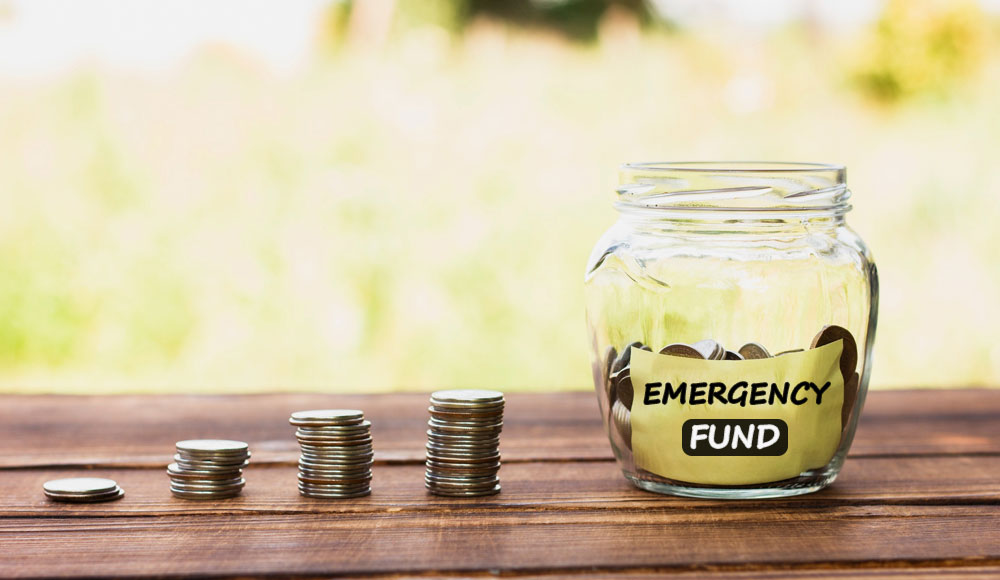
A planned savings account that you set up to cover unexpected expenses or a financial crisis is called an emergency fund. This could be urgent home or car repairs, medical bills, or job loss. An emergency fund is unique in that it is not intended to cover everyday expenses or wants. When life unexpectedly hits you, it can serve as a financial buffer that protects you from debt or a financial crisis. With such a fund, you can be confident that you can cover unexpected situations without jeopardizing your financial stability.
Emergency Fund Savings: How Much?
The optimal amount for an emergency fund varies from person to person and depends on your lifestyle, job security, family size, and monthly expenses. For this reason, many people recommend setting aside at least three to six months of essential living expenses. For someone with a stable income and few responsibilities, three months is more than enough. However, if your income is uncertain, your job is unstable, or you have dependents, it is wise to limit your leave to six months or longer. Start with a small amount and increase it slowly. Goals are not achieved overnight, but must be built methodically.
Where You Should Keep Your Emergency Fund
You should have an emergency fund available. However, it should not be too large to be used only for non-emergencies. Typically, a high-yield savings account is ideal, as it keeps your money liquid and earns interest. Avoid tying up emergency money in long-term investments such as stocks or retirement accounts, as these are difficult to access quickly and can lose value during a market downturn. A separate bank account for emergencies prevents unnecessary spending, as you can only set aside the account when you really need it.
Start Building Your Emergency Fund
If you are living paycheck to paycheck, building an emergency fund can seem daunting, but with a little effort and regular commitment, it is certainly achievable. Start by mapping out your income and expenses to see where you can cut back. Maybe you are canceling an unnecessary subscription or missing out on your daily cup of coffee. Every little bit counts. Automatic savings is also a great way to solidify this practice. Set up automatic payments to your emergency fund every payday. In the beginning, consistency is more important than quantity; it doesn’t have to be huge amounts.



Make it a Habit to Save Monthly
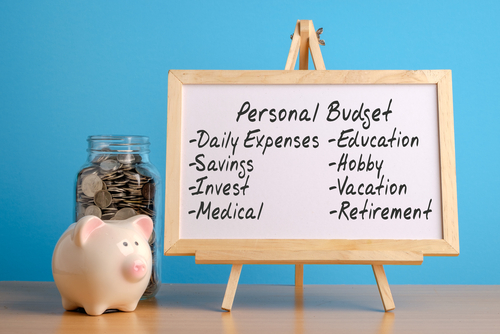
Treating your emergency fund like a regular account will help you grow it. You’re more likely to commit to it if you make it a priority in your monthly budget, just like you would rent or utilities. To stay inspired, set reasonable savings goals and track your progress. Over time, saving will become second nature to you; you won’t see the small sacrifices you make to save money. Try to increase your monthly contributions as your income grows. To reach your goals faster, you can also allocate donations, tax refunds, or earnings directly to your fund.
Avoiding Common Fund-Building Mistakes
A common mistake people make is using their emergency fund for a situation that isn’t an emergency. Set clear emergency criteria to prevent this from happening. Unreasonable expectations and disappointments are also a problem. Six months of savings at once; that’s too much. Instead, divide it into milestones. Some people also invest their emergency money in risky investments, hoping to grow their wealth faster. While this may seem sensible, the risk of losing your emergency fund outweighs the potential benefits. The main goal is always to ensure that funds are safe and available.
What to do When you Reach Your Goal?
Reaching your emergency fund goal is a major achievement that deserves recognition. But the work isn’t done yet. Evaluate your emergency fund regularly to make sure it still fits your current lifestyle. You may need to adjust your savings depending on your living expenses or the outflow of family members. Once your emergency fund is solidly established, you can focus on other financial goals, such as investing, saving for retirement, or paying off debt. Your emergency fund is the solid foundation on which you build the rest of your financial life.
Using Your Emergency Fund Properly
It is crucial that emergency funds are used wisely and only in real crises. Examples of these include unexpected family emergencies, urgent home repairs, job loss, and unexpected medical expenses. If you use it for regular expenses or vacation planning, then you no longer have a purpose. If you have to use your money, don’t be ashamed; that’s what it’s there for. Make sure you have a strategy in place to recoup the amount you’ve spent once your finances are stable again. That way, you’ll be safe the next time life throws a curveball.
Stay Motivated Throughout the Process
Building an emergency fund can sometimes be a tedious and time-consuming task. That’s why it’s crucial to celebrate the small victories along the way. Every dollar saved will give you peace of mind and financial freedom. Always remember why you’re doing this: to secure your future and avoid stress during tough times. Visual trackers, savings apps, and even keeping an eye on your growing balance can help you stay motivated. An emergency fund is about more than just money; It’s about the confidence that allows you to handle life’s uncertainties with strength and authority.
Conclusion
Building an emergency fund is one of the first steps to achieving financial stability. It acts as a protective buffer, allowing you to deal with unexpected events with ease, without feeling stressed or guilty. While it may take some time to develop, the peace of mind it provides is worth it. Success depends on starting small, staying consistent, and ensuring that you have sufficient funding available. Once you have established your emergency fund, it will support a strong financial strategy that will allow you to move forward with confidence, no matter what happens.
FAQs
1. How big should my emergency fund be?
While this will vary depending on your lifestyle and financial situation, a reasonable guideline is three to six months of essential living expenses.
2. Where should I keep my emergency fund?
A high-yield savings account is ideal for you, as it keeps your money safe and easily accessible, and earns you a small amount of interest.
3. How do I start saving if I don’t have any money left?
By cutting out unnecessary expenses, you can save small, reasonable amounts. Automate your savings and make it a habit.
4. Can I make budgeted expenses from my emergency fund?
Your emergency fund should only be used for current emergencies, not for planned or daily needs.
5. If I use my emergency fund, do I have to start over?
Sure, but don’t give up hope. This fund was created for this purpose. Once the crisis is over, the rebuilding process will begin as soon as possible.

